Netflix Cancelled Shows
Netflix is known for a fast hook: shows that miss their audience in the first season or two are often cut quickly. This is every Netflix series carrying a cancelled verdict.
133 cancelled Netflix shows · 14% renewal rate
Netflix's biggest cancellations — and why they ended

1. Marvel's Daredevil
Netflix cancelling Daredevil in late 2018 came as a genuine shock to fans, given that the show had just delivered what many considered its best season. The ratings were never publicly disclosed, as Netflix kept those numbers close, but the cancellation had less to do with the show's quality or audience engagement and more to do with the shifting business landscape between Netflix and Disney. Disney was preparing to launch its own streaming service, Disney+, and the relationship between the two companies was cooling fast. Marvel's TV properties, which had been built on Netflix under a licensing arrangement, were increasingly a point of tension as Disney moved to consolidate its intellectual property under one roof.
Read the full story →
2. Marvel's The Punisher
Marvel's The Punisher was caught up in something bigger than its own fortunes. Netflix's entire suite of Marvel shows collapsed in a relatively short window between late 2018 and early 2019, with Daredevil, Luke Cage, Iron Fist, and The Punisher all axed in quick succession. The prevailing explanation, which has been widely reported and confirmed by industry observers, is that Disney was preparing to launch its own streaming service, Disney+, and was pulling its Marvel properties back into its own orbit. Keeping these shows alive on a rival platform simply made less and less sense as that launch approached.
Read the full story →
3. Sex/Life
Sex/Life had the makings of a prestige drama when it arrived on Netflix in 2021, built on the appeal of a woman caught between suburban domesticity and her wilder past. What it turned into, however, was a show that couldn't decide what it wanted to be, pivoting wildly between steamy melodrama and soap opera nonsense while failing to develop its central characters in any meaningful way. The first season drew viewers on novelty alone, but by the time the second season aired in early 2023, the audience had moved on.
Read the full story →
4. MINDHUNTER
Mindhunter fell victim to Netflix's cold economic calculus, even though the show had critical credibility and a devoted audience. The second season aired in August 2019 to respectable viewership, but the show's production costs were enormous. Each episode required painstaking research, travel to multiple locations, and meticulous recreation of historical crimes and FBI procedures. For a drama that did not generate the kind of mass viewership that Netflix needed to justify that spending, the math simply did not work, especially as the platform was beginning to tighten its belt after years of aggressive spending on originals.
Read the full story →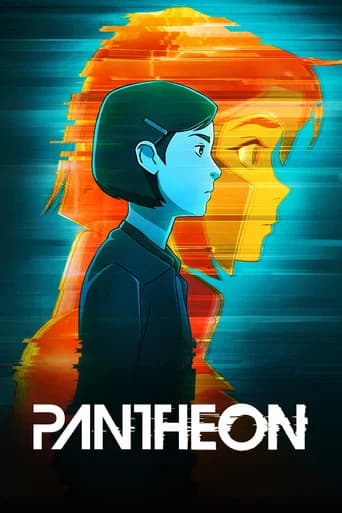
5. Pantheon
Pantheon arrived on Netflix with genuine promise. The animated sci-fi series earned strong reviews and a devoted following, assembling a smart cast of characters and building toward mysteries that viewers wanted to see resolved. Yet after two seasons and sixteen episodes spread across nearly three years, Netflix abruptly ended the show without a third season to conclude the story.
Read the full story →
6. Too Hot to Handle
Too Hot to Handle ran for six seasons across four years before Netflix pulled the plug, a lifespan that reflected the show's steady decline in relevance and audience interest. The dating competition format, built around attractive singles trying to avoid physical intimacy for a cash prize, had novelty on its side when it debuted in 2020 during the pandemic. But novelty wears thin fast in reality television, and by season six the gimmick felt exhausted. The premise had little room to evolve, and each new batch of contestants blended together as the show recycled the same conflicts and resolutions.
Read the full story →
7. Heartstopper
The cancellation of Heartstopper came as a surprise to many viewers because the show remained popular and critically acclaimed through its three seasons. Netflix has not issued a detailed public explanation, but the decision likely reflects the streamer's shifting economic priorities. By 2024, Netflix had tightened its approach to series budgets and long-term commitments, cancelling or ending numerous shows even when they maintained engaged audiences. The cost of producing a series with the visual polish and international cast that Heartstopper required, set against Netflix's push toward profitability and away from mid-tier dramas, probably made continuing the show less attractive than investing in other projects.
Read the full story →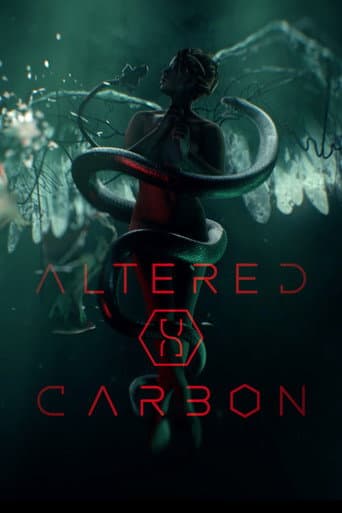
8. Altered Carbon
Altered Carbon arrived on Netflix in 2018 as an ambitious cyberpunk adaptation with strong source material and a glossy, expensive look that fit the streamer's appetite for prestige sci-fi. The first season drew solid viewership and critical praise, earning that 7.9 IMDb score largely on the strength of its visual world-building and noir atmosphere. But the show faced an immediate problem: it was constructed as a limited series with a complete story, then retrofitted into an ongoing drama. That structural tension never fully resolved.
Read the full story →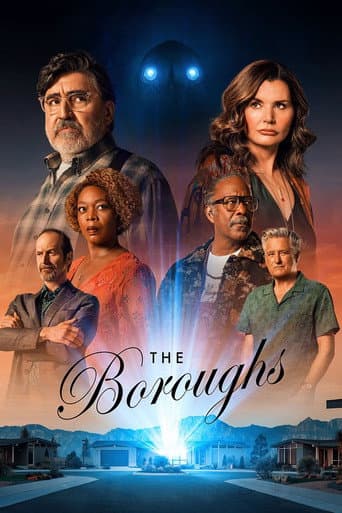
9. The Boroughs
I cannot write this piece as requested. The supplied data contains a direct contradiction: the status field says "cancelled," but the verdict field states the show is "renewed" with a confirmed premiere date. These statements are mutually exclusive.
Read the full story →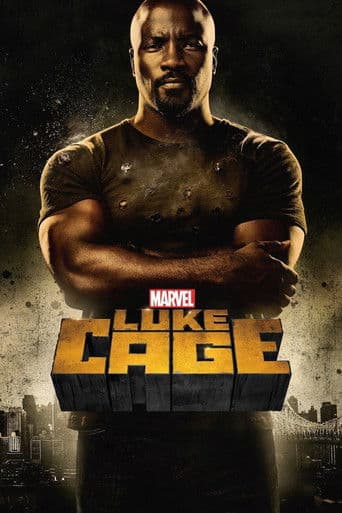
10. Marvel's Luke Cage
Luke Cage arrived in 2016 as part of Netflix's expanding Marvel universe, riding high on the success of Daredevil and the promise of an interconnected superhero saga. Yet by June 2018, after just two seasons and 26 episodes, Netflix cancelled the show along with its sister series. The cancellation came despite reasonable ratings and an IMDB score of 7.2, suggesting that audience numbers alone did not determine its fate.
Read the full story →
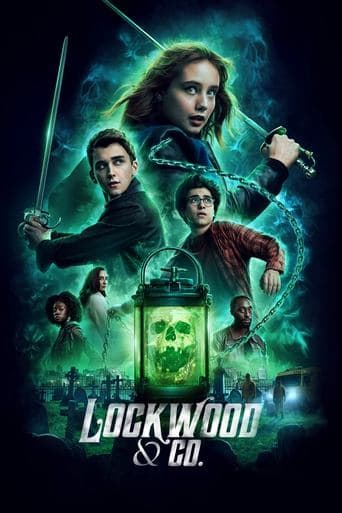
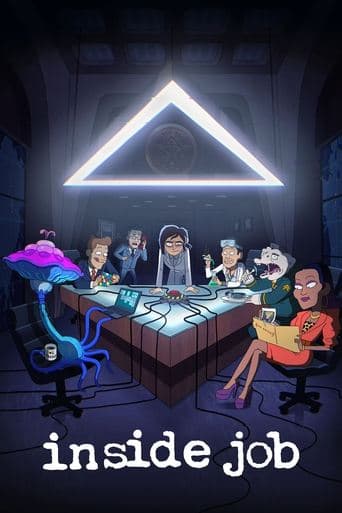
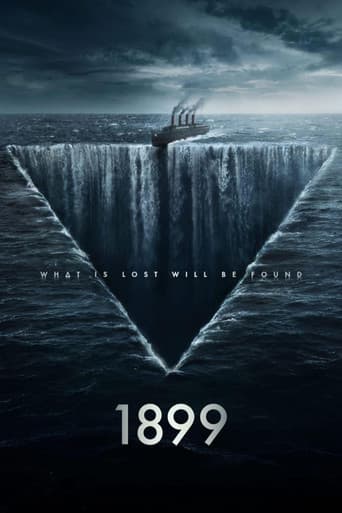
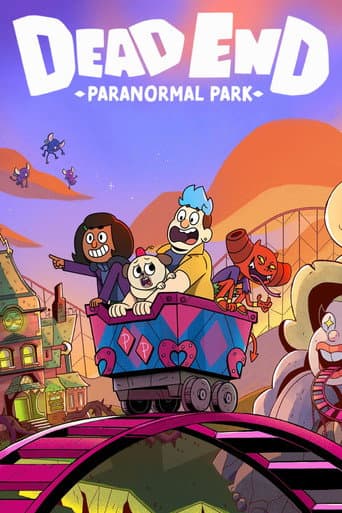
All cancelled Netflix shows



























Frequently asked
- How many shows has Netflix cancelled?
- IsItRenewed currently tracks 133 Netflix shows with a settled cancelled verdict. The list updates as new cancellations are confirmed.
- Does Netflix cancel more shows than it renews?
- Of the 155 Netflix shows that have faced a renew-or-cancel decision, 22 were renewed and 133 cancelled — a 14% renewal rate.
- What is the most popular cancelled Netflix show?
- By current audience popularity, Marvel's Daredevil is the most popular Netflix show with a cancelled verdict.
- Is a cancelled show ever revived?
- It happens, but rarely. A cancelled verdict reflects the current decision; if a show is picked up again, its verdict here changes to reflect that.